
A Five-Way Test for When Higher Education Leaders Should Speak
In the current higher education climate, the most consequential communication decision is often not what to say, but if, when, and how to say it. University leaders constantly balance transparency, legal obligations and the need to maintain institutional trust, often under intense scrutiny from lawmakers, faculty and the public.
To navigate this tension, the Wise Higher Education Council convened three experts at the intersection of university law and communications:
Randy Goin Jr., deputy chancellor at Pennsylvania’s State System of Higher Education
Phil Weiler, immediate past vice president of marketing and communications at Washington State University
Brande Smith, higher education attorney and chair of the higher education practice group at DownsAaron and former senior counsel at the University of Florida
“It’s critical to understand the difference between what you’re legally allowed to say and what you should say,” Smith said. “Sometimes silence is necessary, but so is honesty. The key is having the right people in the room to evaluate both.”
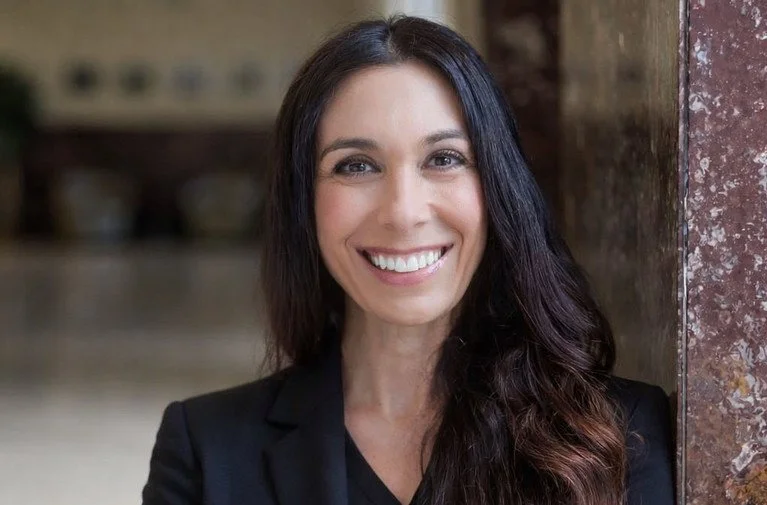
“Sometimes silence is necessary, but so is honesty. The key is having the right people in the room to evaluate both.”
Brande Smith, higher education attorney and chair of the higher education practice group at DownsAaron and former senior counsel at the University of Florida.
In Practice: The Case for Proactive Disclosure
While the instinct of many institutional leaders is to wait for a crisis to break before responding, Weiler argues that strategic silence is not always the safest path.
When WSU uncovered misconduct within its police department, leaders chose to move preemptively rather than wait for external exposure. By taking corrective action and proactively walking a trusted reporter through the full story, the university contained and controlled the narrative.
“A good story is going to come out, and a good reporter is going to follow it to the end,” Weiler said. “It can be very disarming to go to a reporter and say, ‘Here is everything.’ Oftentimes, a communications leader is successful based on what didn’t happen.”
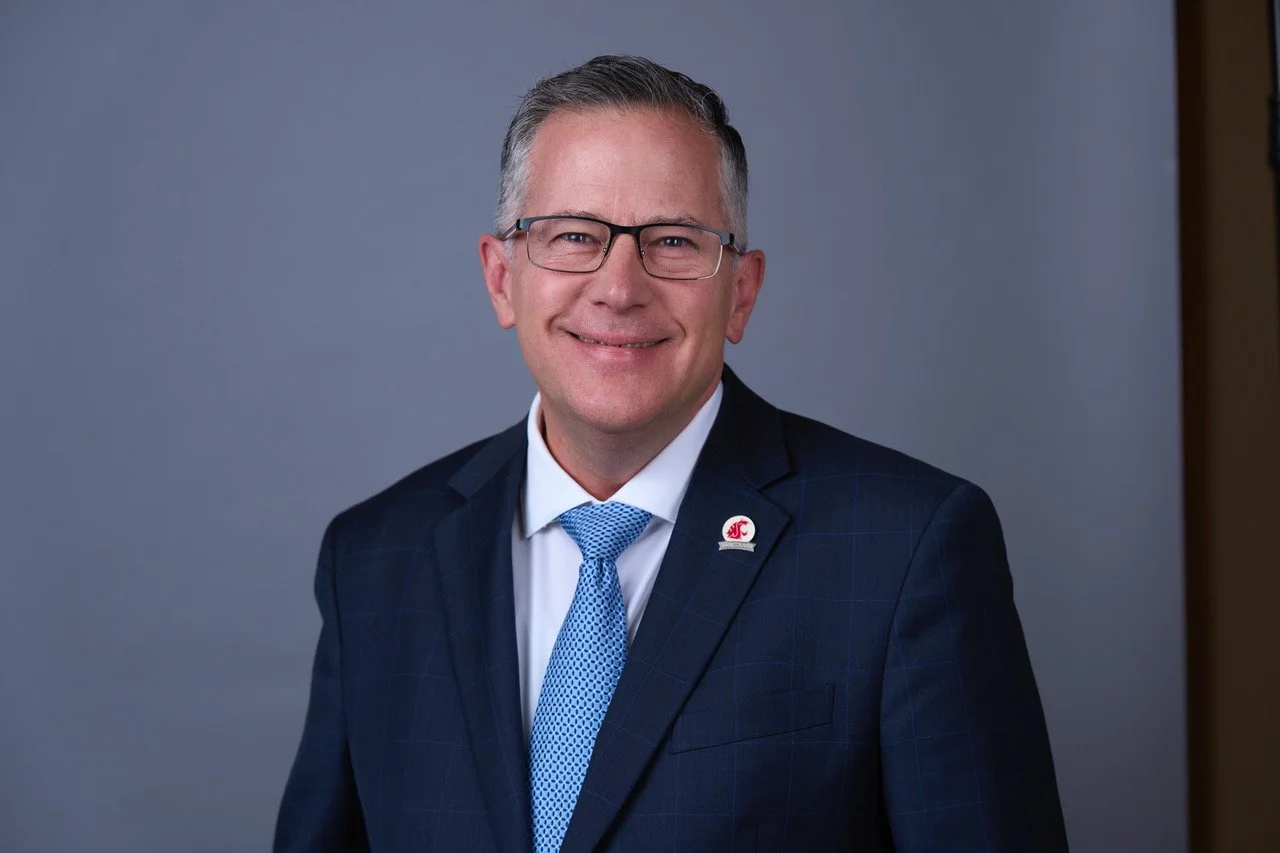
“A good story is going to come out, and a good reporter is going to follow it to the end. It can be very disarming to go to a reporter and say, ‘Here is everything.’ Oftentimes, a communications leader is successful based on what didn’t happen.”
Phil Weiler, immediate past vice president of marketing and communications at Washington State University
The key, Weiler said, was long-standing trust with legal counsel and risk management, which allowed leaders to move quickly.
Decisions about whether to speak are rarely simple and often force a set of competing obligations.
Even when no laws are at stake, leaders must ask: Is this really our statement to make or our story to tell? If so, who should tell it? Should we acknowledge issues early to earn trust? Or does doing so put the university at legal risk and create a story when there might not be one otherwise?
Their consensus?
There is no universal rule for disclosure. Only disciplined judgment.
Drawing on their collective experience in managing high-stakes institutional crises, the Council developed the following framework to guide leadership through the decision to speak or remain silent.
The Five-Way Test
1. Does speaking fulfill legal or ethical obligations?
Example: In the tragic event of a student death on campus, the university’s primary obligation is to support the grieving family and the campus community. Administrators honored the human element of the crisis by issuing a statement focused on providing resources and expressing sincere sympathy while strictly protecting the student’s privacy and the integrity of the investigation by withholding sensitive details.
2. Is this our story to tell?
Example: When a faculty member faced legal issues for off-campus conduct, the university confirmed employment and role but declined further comment. By refusing to "own" the narrative, the institution avoided tethering its brand to a private individual’s personal misconduct.
3. Will speaking improve safety, operations or trust?
Example: Upon discovering misconduct by campus security officers, leadership chose proactive disclosure over defensive silence. By detailing the corrective actions taken before the story broke externally, the university reinforced its commitment to campus safety and maintained public trust.
4. Do the benefits of speaking outweigh the risks?
Example: When alerted to a potential Title IX complaint that had not yet been filed, leadership determined that proactive disclosure offered no safety benefit but carried legal and reputational risk. They chose a "wait and prepare" stance, ensuring they were ready to respond without prematurely inciting a public crisis.
5. Are we communicating in the most effective way for the right audience?
Example: Following a controversial policy change, the university bypassed the "mass email" approach in favor of small, in-person forums. By allowing faculty and students to ask questions directly, leadership satisfied the need for transparency without the impersonal (and often inflammatory) nature of a digital broadcast.
“There are ways to communicate beyond emails, press releases, texts and tweets,” Goin said. “A little more retail communication – getting out on the road, having a clear message and talking with people directly – works. It helps people feel informed and heard, and it satisfies the two essential components of good communication: speaking and listening.”

“There are ways to communicate beyond emails, press releases, texts and tweets. A little more retail communication – getting out on the road, having a clear message and talking with people directly – works. It helps people feel informed and heard, and it satisfies the two essential components of good communication: speaking and listening.”
Randy Goin Jr., deputy chancellor at Pennsylvania’s State System of Higher Education
.
The Wise Higher Education Council provides senior-level guidance to boards, presidents and leadership teams navigating complex decisions, transitions and public scrutiny. We thank the Council and its friends for their valuable insights. Learn more about B.Wise Communications and The Wise Higher Education Council at BWiseCommunications.com.
