
The First 90 Days: What University Presidents Should and Shouldn't Say
A new university president's first public words carry disproportionate weight. Before the inaugural address is written, before the strategic plan is drafted, before the first faculty senate meeting, the institution is already reading the signals. What does this person care about? How do they make decisions? What's about to change?
Those quiet questions, asked in hallways and inboxes across campus, don't wait for a formal announcement. They get answered by everything the president says and doesn't say in the earliest days of their tenure.
To examine what effective early presidential communication looks like from every vantage point in the room, the Wise Higher Education Council convened three voices with distinct but complementary perspectives:
Gordon Gee, president emeritus of West Virginia University, who served as president of five major research universities across four decades
Chris Nelson, chief university relations officer and secretary at the University of Utah, who has guided multiple presidential transitions
Paige Geers, former chief of staff at the University of South Florida, who helped architect presidential strategy from the inside
Their conversation surfaces a tension every new president must resolve: the pull toward patience, process and consensus on one side, and on the other, the equally real risk of waiting so long that the moment to lead quietly closes.
"Each place is different," Gee said. "Each place has its own culture and history. You really do have to be very diligent in rethinking the university and rethinking yourself. There is no playbook."
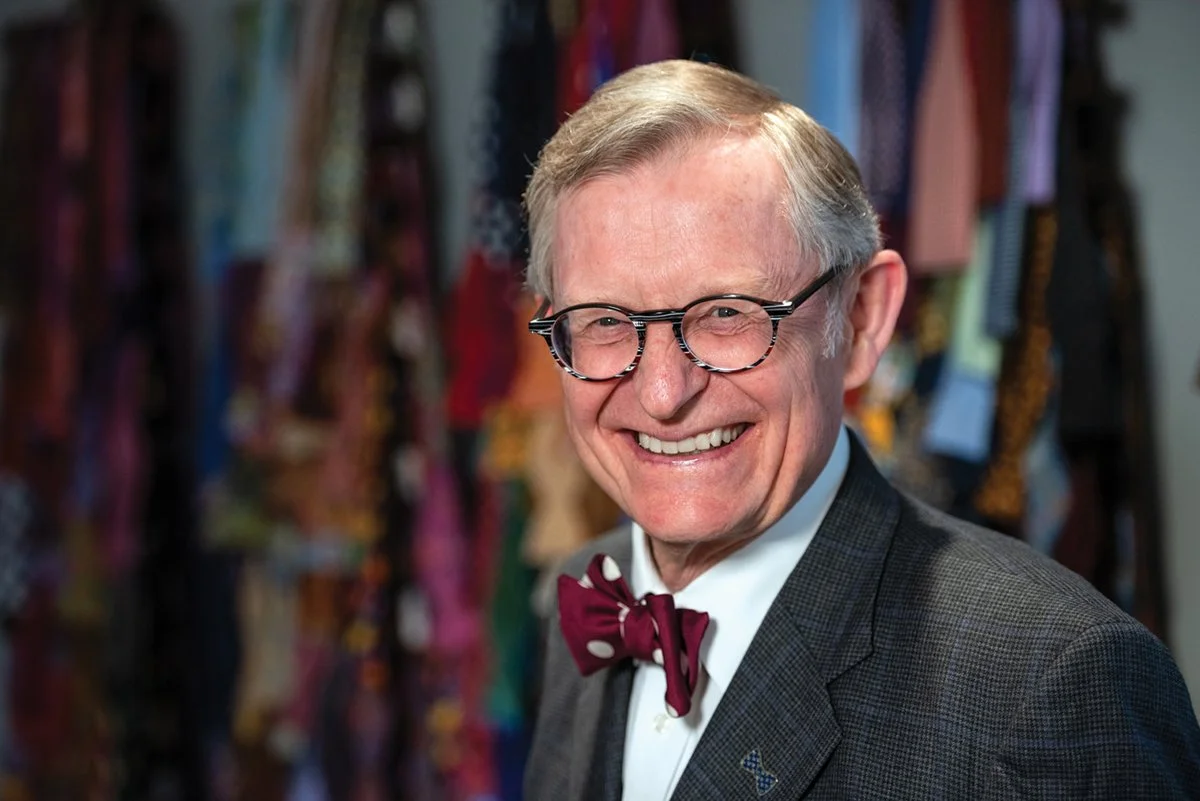
“Each place is different. Each place has its own culture and history. You really do have to be very diligent in rethinking the university and rethinking yourself. There is no playbook.”
Gordon Gee, president emeritus of West Virginia University
A Framework for the First 90 Days
1. Move with conviction. Don't wait for a process to give you permission.
Gee is direct on this point. The instinct to wait for consensus before acting is one of the more dangerous habits a new president can develop. Universities, in his experience, are fundamentally comfortable institutions. They believe they are fine, have always been fine and would prefer that a new president confirm rather than challenge that belief. That comfort is precisely what makes leadership necessary.
"The institutions I would serve had significant challenges," he said. "If you wait for shared governance to work the way it's supposed to work, you'll never get anything done. My approach was, ‘This is where I think we're going, and this is what I think we need to do. If you disagree with me, tell me. But if not, this is what we're going to do.’"
Gee's approach across five institutions was consistent: set the strategy first, communicate it clearly and move. He went 43 years without a single vote of no confidence. His most consequential strategic move at West Virginia came not from a formal planning process but from a tour of all 55 counties of the state, where he discovered a healthcare desert no institution had moved to address. He didn't wait for a committee to validate the finding. He acted, eventually building one of the most significant rural healthcare systems in the country.
"I would never have gotten there if I had waited and done a strategic plan process," he said. "It takes courage and communication and a thick skin."
2. Before you move, know what kind of president you are.
Nelson doesn't disagree with Gee's bias for speed. But he adds a precondition that shapes everything else: before a president can communicate effectively, they need clarity about the nature of their own mandate.
Every presidential transition has an archetype, he said. Some presidents are brought in to transform. Some to stabilize. Some to build on a strong foundation that simply needs a new steward. Each one calls for a fundamentally different communication posture in the early days, and a president who mistakes their role risks spending momentum on the wrong signals.
"It's all about authenticity," Nelson said. "Know your president. Or if you're the president, know yourself."

“It’s all about authenticity. Know your president. Or if you’re the president, know yourself.”
Chris Nelson, chief university relations officer and secretary at the University of Utah
That self-knowledge also determines who needs to be in place around the president before they start making noise. The president is the chief communications officer, the chief marketing officer and the chief lobbyist, whether they want to be or not. That reality doesn't become more manageable by ignoring it. At Utah, the early work in each presidential transition was rapid assessment of key roles on the cabinet — provost, chief of staff, government relations, general counsel, marketing and communication, special advisors — and moving decisively where the team wasn't ready to support the pace the president intended to set.
"Early on, you need to know who you have and where you need to make changes so you can push the work down," he said. "A president who is chief of everything can only move as fast as the team beneath them allows."
3. Listen well enough that it shapes what you do next.
Geers takes this further. In her experience at University of South Florida, the presidents who struggled most in their early months were not the ones who moved too slowly. They were the ones who arrived with a fully formed vision before they understood what they were actually leading.
There is enormous pressure, she notes, for incoming presidents to come in with an agenda. Candidates are practically trained to perform one during the interview process. Resisting that pressure long enough to genuinely understand the institution is harder than it sounds, and rarer than it should be.
"A lot of people will come in and immediately start talking about the issues," Geers said. "But if the new president can talk about what's good and build from there, that changes everything."
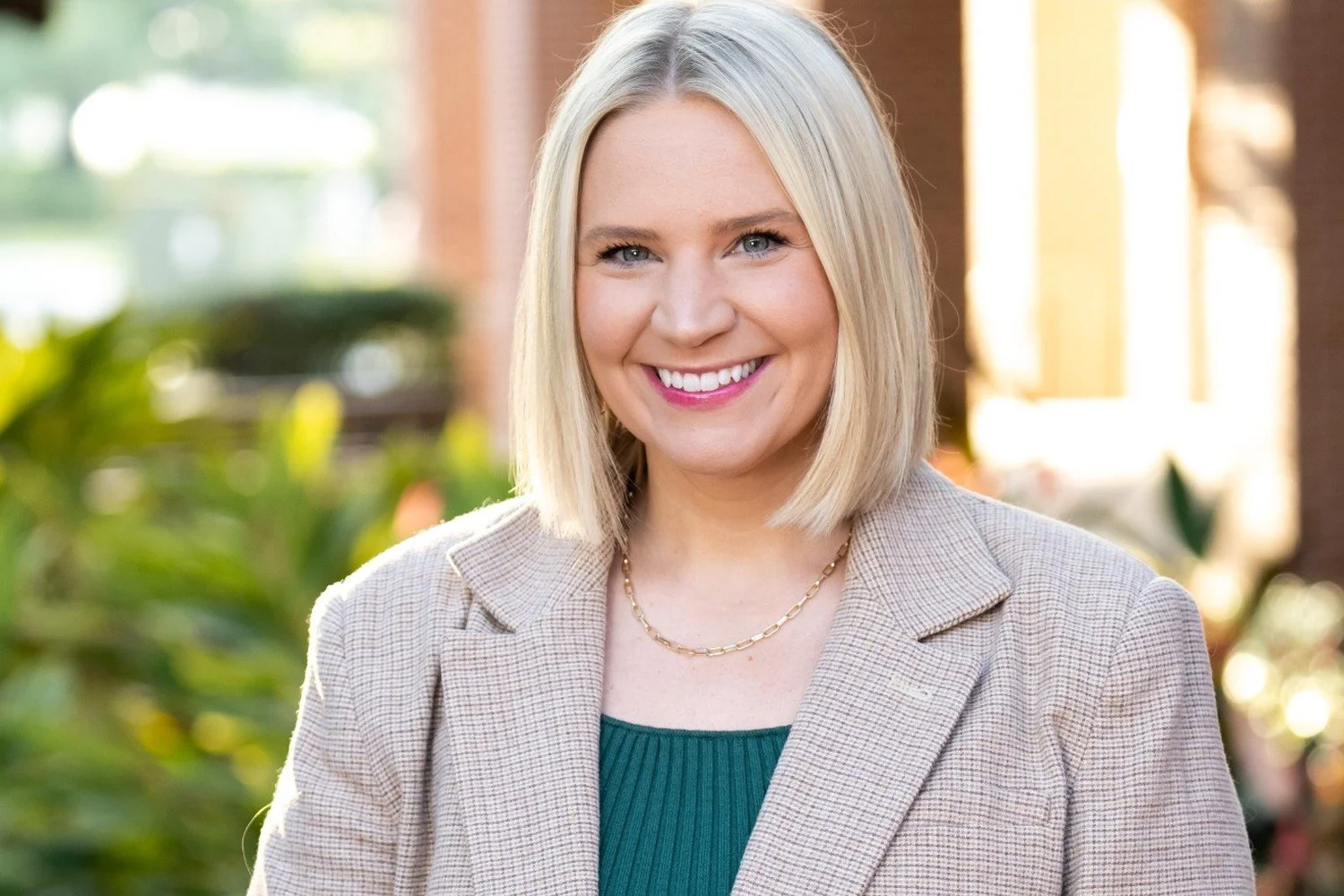
“A lot of people will come in and immediately start talking about the issues. But if a new president can talk about what’s good and build from there, that changes everything.”
Paige Geers, former chief of staff at the University of South Florida
At University of South Florida, the incoming president visited every college and unit within the first 30 days. The goal was not to project humility or generate goodwill, though it did both. It was to understand what was already working so that early momentum could build on real institutional strength rather than assumptions. The listening sessions shaped not just messaging but strategy. What followed reflected what was actually heard.
That kind of listening, Geers is careful to note, is not passivity. It is reconnaissance. And a president who does it well arrives at their first bold moves with the standing that comes from having paid attention first.
"There's enormous pressure to come in with a vision and an agenda," she said. "The most effective presidents are the ones who can resist that long enough to understand what they're actually leading."
The Wise Higher Education Council provides senior-level guidance to boards, presidents and leadership teams navigating complex decisions, transitions and public scrutiny. We thank the Council and its friends for their valuable insights. Learn more about B.Wise Communications and The Wise Higher Education Council at BWiseCommunications.com.
